Why Choose Mold Stamping for Your Manufacturing Needs?
Mold stamping is a vital process in modern manufacturing. It offers precision, speed, and efficiency. Many industries rely on it for producing high-quality parts. This process allows for intricate designs and consistent results. The technology behind mold stamping has advanced, making it more accessible than ever.
Using mold stamping can reduce production costs significantly. The method minimizes waste, ensuring resources are used wisely. It also supports scalability, easily adapting to different production needs. However, some might overlook the initial investment in specialized tools. This investment can be daunting, but the long-term benefits often outweigh the costs.
Choosing mold stamping means prioritizing quality and consistency. Each stamped part maintains tight tolerances, crucial for product performance. Manufacturers must weigh their options carefully. Understanding the process and its advantages is essential for informed decision-making. Mold stamping can elevate your manufacturing capabilities when applied thoughtfully.
Benefits of Mold Stamping in Modern Manufacturing
Mold stamping has become a vital process in modern manufacturing. This method combines efficiency with precision, making it essential for various industries. One of the primary benefits is its ability to produce complex shapes quickly. Mold stamping can create intricate designs that traditional methods struggle with. It reduces material waste significantly. This efficiency is crucial for cost management.
Another advantage is the consistency in product quality. Each stamped part is nearly identical, ensuring reliability. This is particularly important in industries where small tolerances matter. The speed of production allows for rapid prototyping, enabling businesses to adapt quickly to market changes.
However, the process isn't without its challenges. Setting up molds can require a hefty initial investment. If adjustments are needed, costs may increase. Additionally, the selection of materials plays a critical role in outcomes. Using the wrong material can lead to defects. Each project demands careful consideration to ensure success. This reflection can drive innovation and continuous improvement in practices.
Overview of the Mold Stamping Process
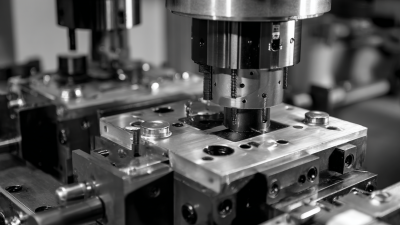
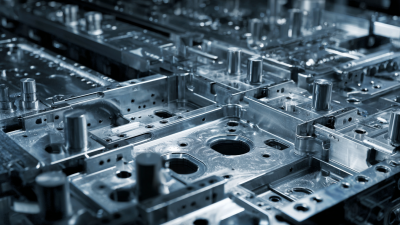
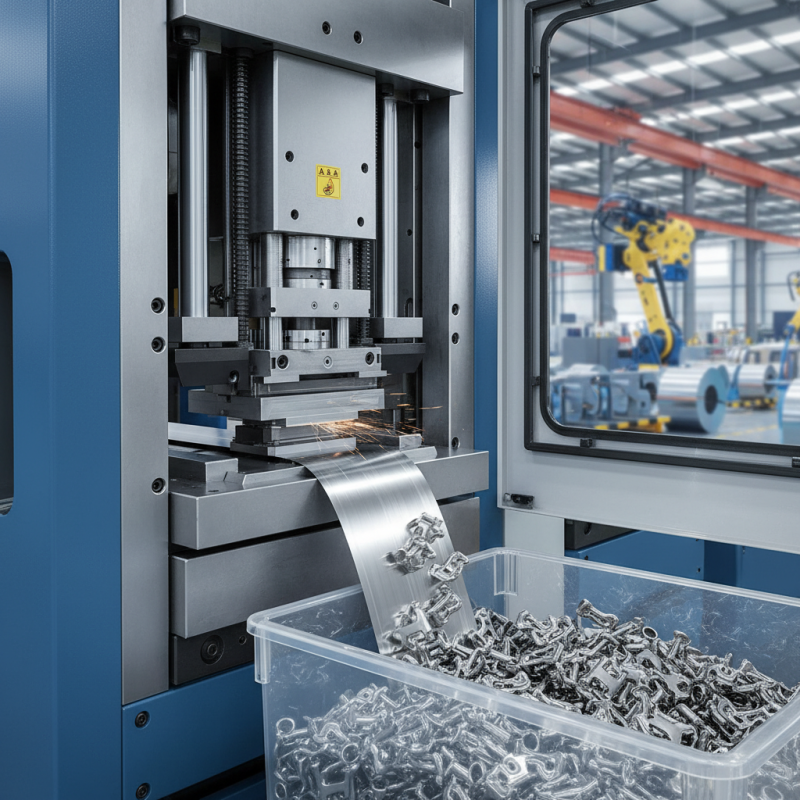
Mold stamping is an efficient manufacturing method with clear benefits. It combines precision and speed, allowing for efficient mass production. The process begins with creating a mold, which fits the specific design of the desired part. Once the mold is ready, raw materials, typically metals, are placed inside. High pressure is applied, forming the material into the desired shape. This method can create complex parts quickly.
One of the key advantages of mold stamping is its ability to produce high-volume outputs. The machinery is designed for speed, ensuring rapid production cycles. However, this doesn’t mean that quality is compromised. Each component is crafted with precision, which reduces the need for extensive finishing processes. Yet, there can be challenges. For example, inconsistencies in the raw material can affect the final product's integrity. Manufacturers must ensure quality checks are in place to address this.
Another important aspect is the upfront investment required for molds. This can be a barrier for smaller operations. The return on investment may take time, but the benefits in scalability and efficiency are often worth it. Companies need to weigh the costs against potential production needs. Overall, understanding the mold stamping process is crucial for making informed manufacturing decisions.
Applications of Mold Stamping Across Various Industries
Mold stamping has gained traction across various industries due to its efficiency and versatility. In automotive manufacturing, for example, mold stamping serves as a cornerstone method for producing parts like body panels, brackets, and chassis components. These parts require stringent precision, and mold stamping meets that need. The process reduces waste and improves production speed. However, achieving that precision often requires continuous learning and improvement, as slight misalignments can lead to larger issues down the line.
In the electronics sector, mold stamping is used to create intricate components for devices such as smartphones and laptops. This method allows for the efficient production of parts like connectors and housings. The high level of detail required in electronic components poses challenges. Manufacturers must refine their techniques to avoid defects, which can affect product functionality. Adjusting the stamping parameters and materials can lead to better results but often requires patience and experimentation.
Medical equipment also benefits from mold stamping processes. Here, precision is paramount, as even minor errors can have serious implications. Components like surgical instruments and diagnostic equipment must be made with extreme accuracy. The industry faces constant pressure to innovate, which can sometimes lead to mistakes. Each error offers a lesson, prompting engineers to enhance their techniques and material choices, ultimately aiming for reliability and safety in critical applications.
Applications of Mold Stamping Across Various Industries
Comparing Mold Stamping with Other Manufacturing Methods
Mold stamping is a popular choice in manufacturing, especially for high-volume production. Compared to machining methods, it offers significant advantages in efficiency. The process utilizes custom-made molds, allowing for quick replication of complex shapes and designs. This leads to reduced production times and lower costs.
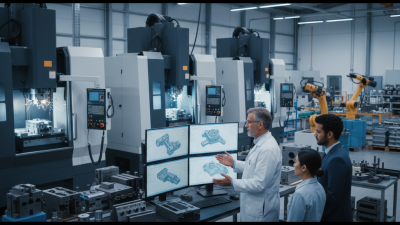
In contrast, machining methods, like CNC, can be slower. These methods often require more manual intervention and longer setup times. Additionally, machining can generate excess waste, impacting both costs and sustainability. Mold stamping minimizes material waste by utilizing nearly all of the raw material in the final product. For manufacturers focused on sustainability, this is a critical factor.
However, mold stamping isn't without its drawbacks. Creating molds can be expensive and time-consuming. Initial investment in equipment and design is often higher than that of machining. Moreover, the process may not be ideal for low-volume production. Businesses should weigh these factors carefully before committing to mold stamping. Balancing efficiency with upfront costs is key to making the right choice.
Factors to Consider When Choosing Mold Stamping for Production
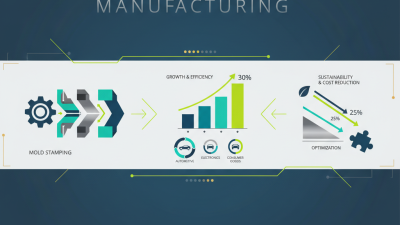
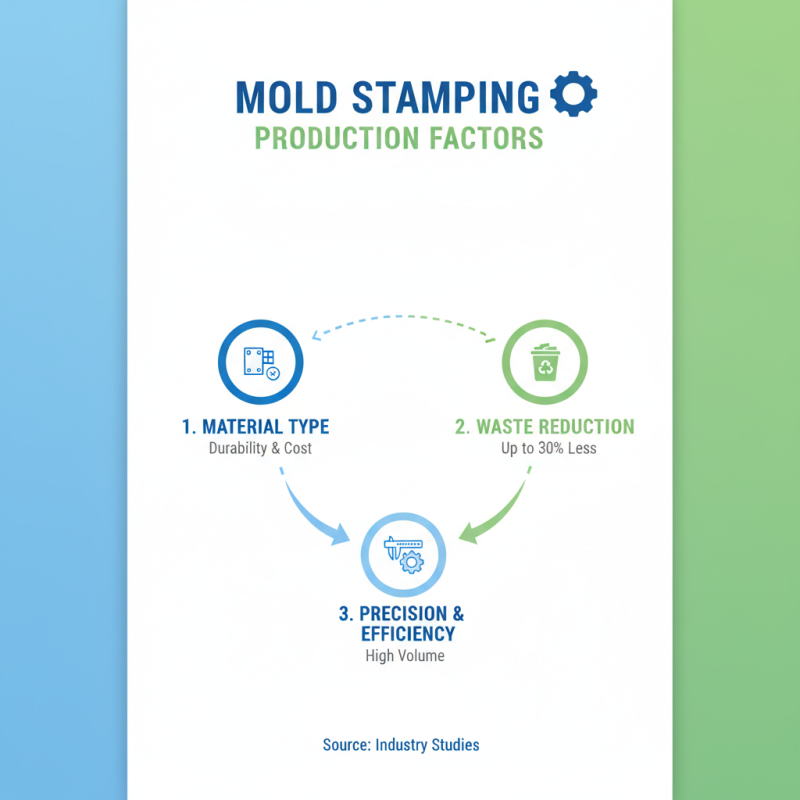
Mold stamping is increasingly popular in manufacturing due to its efficiency and precision. When choosing mold stamping, several factors must be considered. One critical aspect is the type of material used. Some materials work better for specific applications, influencing durability and cost. For example, studies indicate that metal stamping achieves a 30% reduction in waste compared to traditional machining methods.
Understanding production volume is also essential. High-volume production may benefit from mold stamping’s speed and consistency. Reports show that mold stamping can produce thousands of parts per hour, enhancing overall productivity. However, companies should weigh the initial setup costs against long-term savings.
**Tips:** Always analyze your project needs. Smaller production runs might not justify high setup costs. It’s also wise to engage with a technician who understands material properties and production techniques. They can provide insights to optimize your process.
The complexity of the part design is another variable. Intricate designs may require advanced tooling, increasing costs and lead times. Ensure your manufacturer can accommodate your design requirements while maintaining quality standards. Balancing these factors is crucial for a successful mold stamping project.