Top 10 Wire Cutting Techniques You Should Know?
Wire cutting is an essential technique in various industries, from manufacturing to electronics. In 2022, the wire cutting market was valued at approximately $5 billion, reflecting its growing significance. With advances in technology, specific techniques have emerged as critical to improving efficiency and precision.
Some methods focus on specific materials or applications. For instance, laser wire cutting is known for its accuracy and speed. However, this process can be costly, raising questions about its feasibility for smaller operations. Other techniques, such as mechanical cutting, may offer a cost-effective alternative but often result in rough edges, which could hinder further processing.
Understanding wire cutting is not just about choosing a method; it involves recognizing the challenges each technique presents. Companies must weigh the benefits against potential drawbacks. As the industry evolves, remaining informed about the latest developments in wire cutting is crucial for staying competitive. It’s not always easy. The choice of technique can impact production quality, cost, and overall efficiency.
Essential Safety Precautions for Wire Cutting Techniques
Wire cutting may seem straightforward, but safety is paramount.
According to the Occupational Safety and Health Administration (OSHA), approximately
300,000 injuries occur annually in the construction industry alone.
Many of these incidents are related to improper techniques and lack of safety measures.
Essential precautions can significantly reduce these risks.
Proper personal protective equipment (PPE) is crucial. Safety goggles, gloves, and sturdy footwear
should always be worn. The National Institute for Occupational Safety and Health
emphasizes that 70% of injuries could have been avoided
with the right gear. Additionally, workspace organization matters.
Clutter can lead to accidents. Keeping the area clean minimizes
tripping hazards and ensures tools are easily accessible.
Understanding the cutting tool you are using is vital. Each tool has specific guidelines
for safe operation. Misuse can lead to injuries, some serious enough to cause permanent damage.
Training programs have shown that proper education reduces workplace accidents by up to
40%. Always seek knowledge on safe practices before starting any cutting task.
Mistakes can happen, but awareness helps mitigate risks.
Overview of Common Wire Cutting Tools and Their Uses
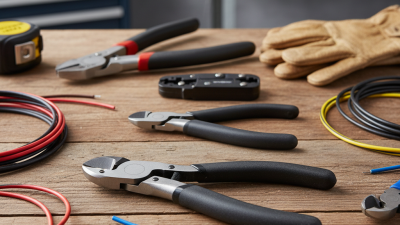
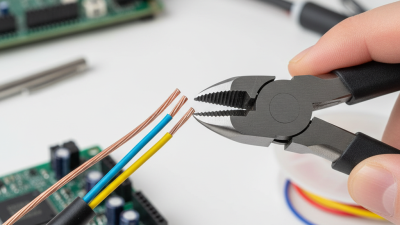
When it comes to wire cutting, understanding the tools used is essential. Hand tools like wire cutters and snips are common. According to industry data, wire cutters account for 40% of wire cutting tool sales in North America. These tools come in various shapes and sizes, designed for different materials and applications. For instance, flush-cutting pliers leave a clean edge, while diagonal cutters are better for thicker wires.
Power tools also play a vital role in efficient wire cutting. For heavier tasks, powered wire saws are more effective. Reports indicate that using power tools can increase productivity by up to 30% in industrial settings. This efficiency can be crucial when working on large projects that involve multiple types of wire. However, improper use of these tools can lead to accidents or poor-quality cuts.
Safety equipment should never be overlooked. The best practices suggest that operators wear protective eyewear and gloves. A study found that 15% of wire cutting injuries are due to not using proper protective gear. Mistakes can happen. Even the most experienced users may misjudge the material or pressure applied. Regular training and adherence to safety protocols can help reduce such risks in the workplace.
Step-by-Step Guide to Standard Wire Cutting Techniques
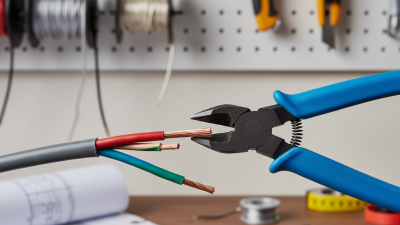
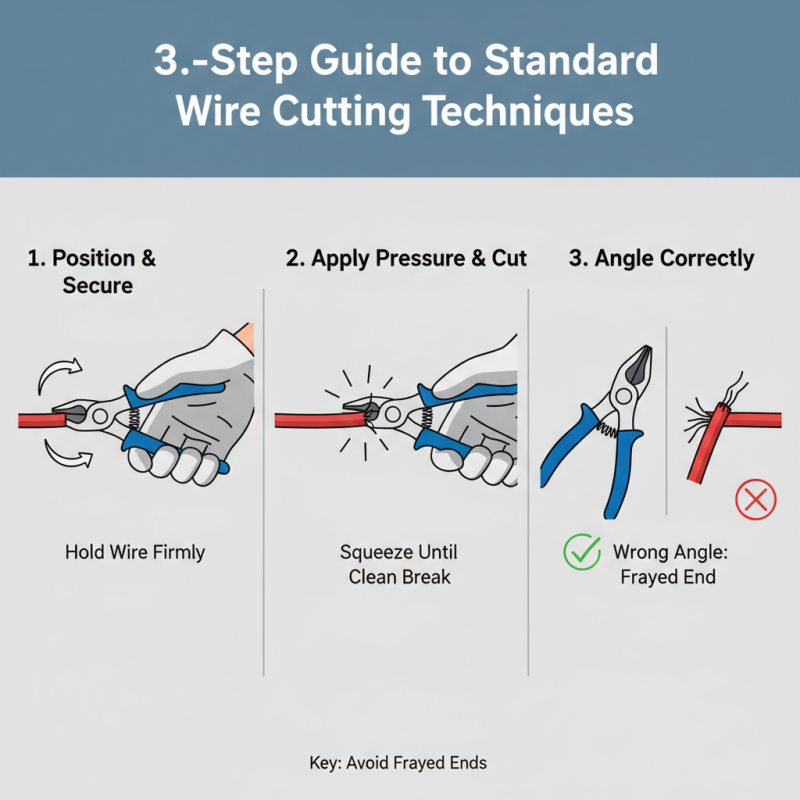
Cutting wires can seem simple, but mastering techniques is essential. Start with the basic method: use wire cutters. Position the wire securely. Apply steady pressure until it snaps. It’s crucial to angle the cutters correctly. A wrong angle can lead to frayed ends.
Then, explore the score-and-snap technique. Lightly score the wire’s surface with a utility knife. Make sure the cut is deep enough. This creates a weak point. Once scored, snap the wire along the score. It often requires practice to perfect. You might end up with uneven cuts. Reflecting on this can help refine your approach.
Lastly, consider the stripping method. This technique removes insulation without damaging the wire. Use a wire stripper designed for the job. Insert the wire and squeeze the handle. It may take time to find the right gauge setting. If done improperly, you risk cutting the wire itself. Be patient; every mistake teaches something valuable.
Advanced Wire Cutting Techniques for Precision Applications
Wire cutting is an essential skill in many fields. For precision applications, several advanced techniques stand out. Laser cutting is one prominent method. It offers high precision and the ability to cut complex shapes. This technique minimizes heat distortion, maintaining integrity in delicate materials.
Another notable method is water jet cutting. It utilizes high-pressure water mixed with abrasives to slice through materials. This approach is effective for various thicknesses. It generates no heat, thus preserving the material’s properties. Precision is paramount, but the technique requires careful setup. Improper alignment can lead to wasted material and time.
Electrical discharge machining (EDM) is also vital for high-precision cutting. It employs electrical discharges to erode material. While effective, it often demands extensive programming expertise. Small errors in settings can produce subpar results. Continued practice and assessment are needed to master these sophisticated techniques. As skills grow, the importance of reflection on each project remains crucial. Understanding mistakes helps in honing precision cutting abilities.
Top 10 Wire Cutting Techniques You Should Know
| Technique |
Description |
Precision Level |
Typical Applications |
| Laser Cutting |
Uses a focused laser beam to cut through materials. |
High |
Electronics, aerospace |
| Water Jet Cutting |
Utilizes a high-pressure jet of water mixed with abrasive particles. |
Medium |
Metalworking, automotive |
| Plasma Cutting |
Employs ionized gas (plasma) to cut through electrically conductive materials. |
High |
Steel fabrication, construction |
| Mechanical Cutting |
Uses mechanical means such as blades or saws to cut wires. |
Low to Medium |
General purpose, hobby projects |
| EDM Cutting |
Electrical Discharge Machining uses sparks to remove material. |
Very High |
Tool making, intricate designs |
| Sawing |
Traditional method using a saw blade to cut wire. |
Medium |
Woodworking, metal cutting |
| Cutting Torches |
Utilizes a flame produced from burning gas to cut through metals. |
Medium |
Heavy metal work, demolition |
| Bending and Cutting |
Combines bending with cutting on specialized machines. |
High |
Manufacturing, wire products |
| Fiber Laser Cutting |
Uses a fiber laser for precise cutting of wires and sheets. |
Very High |
High-tech industries, automotive |
Troubleshooting Common Issues in Wire Cutting Processes
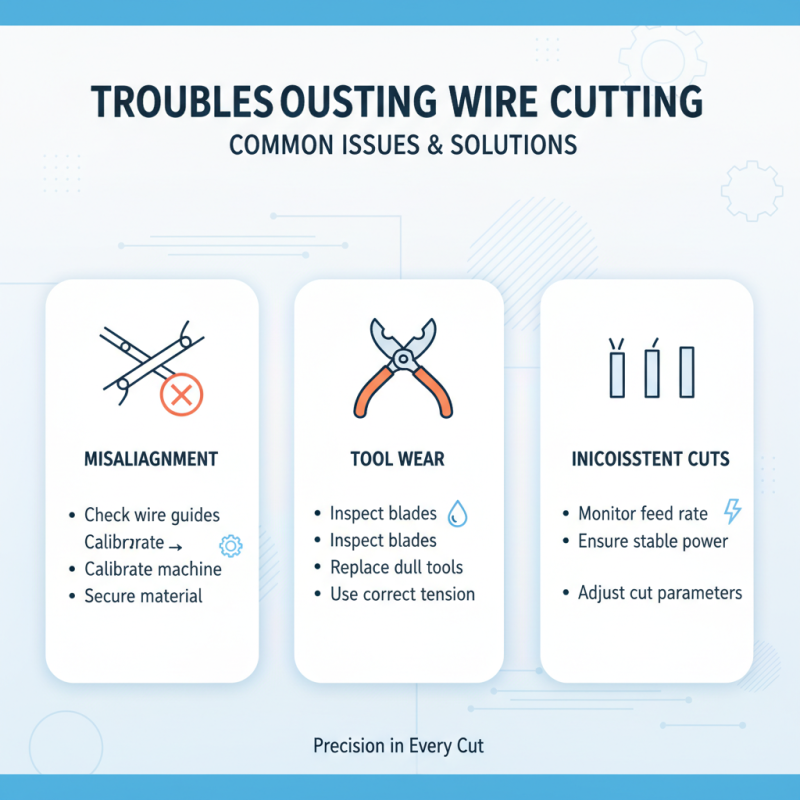
When working with wire cutting processes, issues can arise unexpectedly. Common problems include misalignment, tool wear, and inconsistent cuts. Addressing these challenges requires attention to detail and proper techniques.
For misalignment, ensure that the wire is correctly positioned before starting the cut. A slight shift can lead to inaccurate results. Check the setup regularly. If the cut is not precise, adjust the guide rails.
Tips: Regularly clean your tools. Dirt and residue can interfere with performance. Also, inspect the blades frequently to avoid wear. If dull, replace them immediately to maintain consistency.
Inconsistent cuts may result from varying wire thickness. Make sure to use the appropriate settings for different materials. Sometimes, you may rush through the process, leading to mistakes. Slow down and focus on accuracy.
Tips: Take breaks when tired. Fatigue can lead to oversight. Always double-check measurements and cuts. It’s easy to feel complacent, but each cut matters significantly.