Top Machining Cutting Trends at China Import and Export Fair?
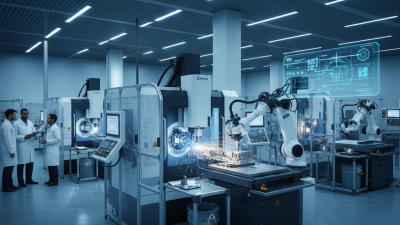
The China Import and Export Fair, also known as the Canton Fair, is a cornerstone event for global trade. As the 139th session approaches in April 2026, a spotlight on "Machining Cutting" trends is essential. This fair will showcase advancements in manufacturing technologies, particularly those related to precision machining.
Artificial intelligence will play a crucial role at this fair. AI-driven search and navigation features will help buyers easily find qualified suppliers. They can filter options based on certifications like ISO and CE. However, one must remain cautious with these technologies. They can sometimes overlook lesser-known but innovative manufacturers in favor of big names. This can hinder the discovery of unique machining cutting solutions.
Machining cutting technologies are evolving rapidly, integrating smart solutions for efficiency. Prospective buyers may encounter challenges in distinguishing between genuine innovation and mere marketing. The competition is fierce. Companies must continuously innovate to stay relevant in this dynamic market. The Canton Fair will be an excellent platform to explore these complexities while navigating the future of manufacturing.
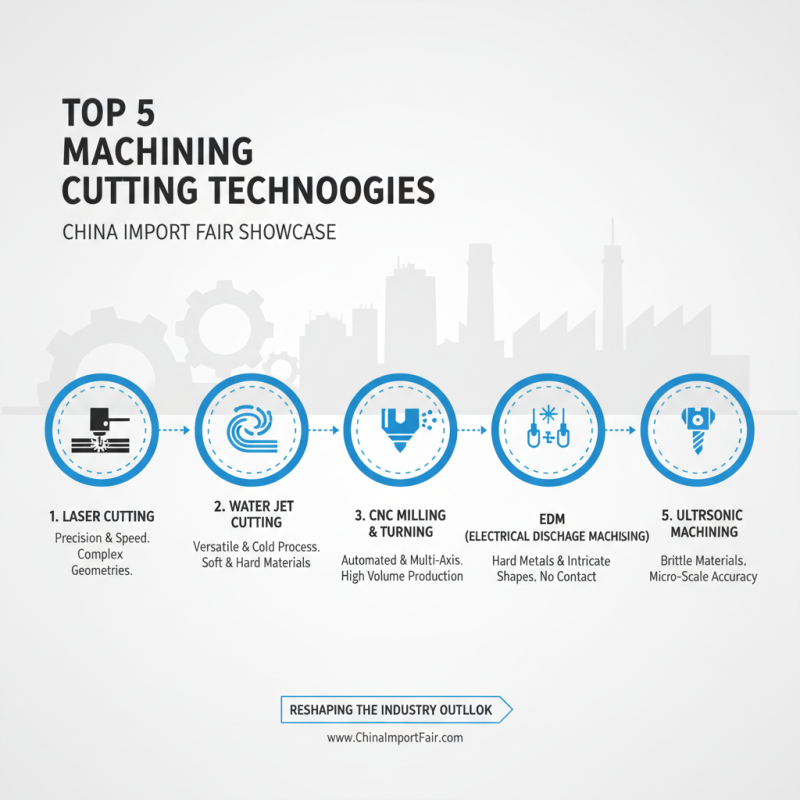
Top 5 Machining Cutting Technologies Showcased at the China Import Fair
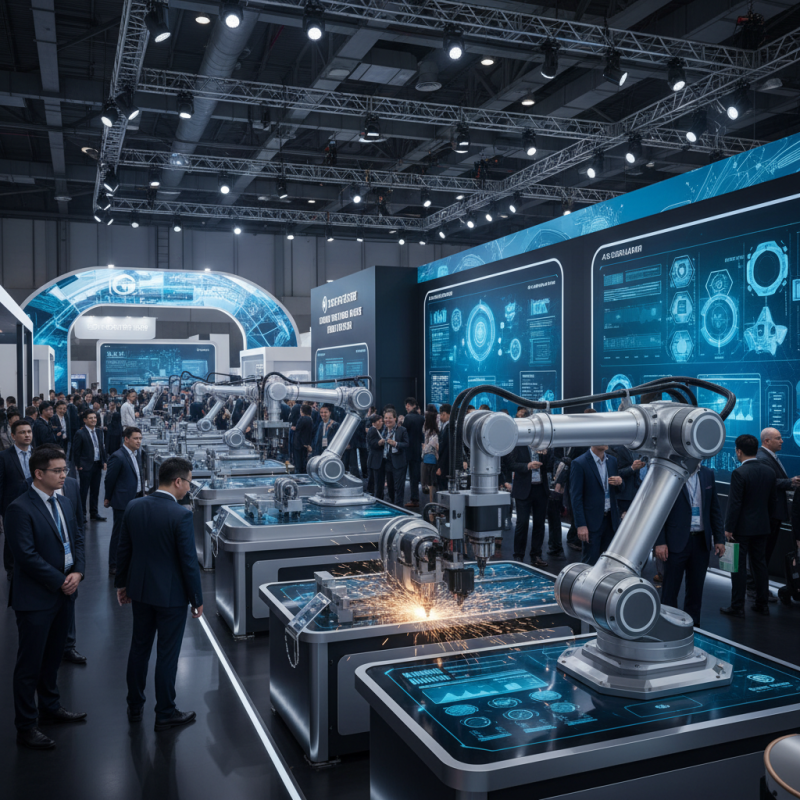
The China Import and Export Fair is a hub for the latest machining cutting technologies. Exhibitors showcase innovative tools and solutions, attracting global attention. Among these, five key technologies stand out, each representing a trend that promises to reshape the industry.
Advanced laser cutting is making waves. This technology offers precision and speed, making it ideal for complex designs. However, achieving such precision requires skilled operators. Without proper training, results can fall short of expectations.
CNC (Computer Numerical Control) machining is another highlight. It offers high accuracy and automation. Yet, reliance on technology can lead to a lack of fundamental skills among workers. This gap can pose challenges for future generations in the field.
3D printing is also gaining traction. It allows for rapid prototyping and customization. Still, quality control remains a concern. Ensuring consistent results requires rigorous testing and oversight.
**Tip:** Always stay updated on industry trends. This will help you remain competitive.
**Tip:** Invest in training for your team. Skill gaps can have lasting impacts.
Embracing these trends is essential, but it’s crucial to address their challenges. Balancing technology and human skills will define the future of machining.
Emerging Materials and Their Impact on Machining Cutting Trends in 2023
The machining industry is witnessing notable shifts in 2023. Emerging materials are greatly influencing cutting trends. Notably, advanced composites and superalloys are gaining traction. These materials are lighter yet stronger, enhancing productivity and performance. However, they also pose challenges in machining processes.
Cutting tools must adapt to these new materials. Traditional methods may not effectively handle their unique properties. For instance, increased wear on tools is a common issue. This requires constant innovation and testing, often leading to suboptimal results. Manufacturers must invest in research to keep up with these changes.
Moreover, sustainability plays a critical role in material selection. Eco-friendly options are increasingly favored. However, the trade-off can sometimes lead to decreased efficiency. Balancing eco-conscious choices with performance remains a challenge. The industry's future will depend on overcoming these hurdles while embracing new technologies.
Key Industry Innovations in Precision Machining Demonstrated at the Expo
At the recent China Import and Export Fair, the spotlight was on precision machining innovations. Various technologies showcased are set to redefine industry standards. A report by MarketsandMarkets projects the global precision machining market will reach $20 billion by 2026. This growth highlights the urgency for manufacturers to adapt new trends.
One significant trend is the adoption of automation in machining processes. Automation not only enhances precision but also optimizes production efficiency. However, the implementation poses challenges. Many companies face workforce resistance and training gaps. Despite this, successful examples indicate that productivity can increase by 30% with the right approach.
Sustainability also took center stage at the expo. Many solutions focused on reducing waste and energy consumption. Reports suggest that eco-friendly machining practices lead to up to 50% lower operational costs. The challenge lies in the transition phase where initial costs may deter investment. Companies often hesitate to switch to sustainable methods, despite the long-term benefits. These innovations at the fair indicate a shift in the industry, paving the way for a more efficient and environmentally conscious future.
Top Machining Cutting Trends at China Import and Export Fair
This bar chart showcases the key innovations in precision machining demonstrated at the China Import and Export Fair. The data reflects the percentage of exhibitors focusing on each trend in 2023.
Analysis of Market Demand for Advanced Cutting Tools in the Chinese Market
The Chinese market is evolving rapidly. Advanced cutting tools are in high demand. Industries such as automotive and aerospace require precise machining. This has opened doors for manufacturers. They are expected to innovate continuously.
Tips: Focus on understanding your audience. Identify their specific cutting needs. Invest in R&D to develop tailored solutions.
Machining technology trends reveal a push for efficiency. Companies are looking for tools that improve speed and accuracy. However, some struggle with implementation. Adopting new technologies can be intimidating. These businesses must evaluate their workforce's readiness.
Tips: Provide training sessions for your team. Encourage feedback on new tools. Foster a culture that embraces change.
The demand for sustainable practices is rising. Companies are exploring eco-friendly materials. Yet, this shift may lead to higher costs initially. Finding a balance is crucial. Ensuring profitability while meeting these standards can be challenging.
Tips: Start small with sustainable initiatives. Measure their impact before large-scale changes. Cultivate partnerships to share resources.
Sustainable Machining Practices and Their Adoption in China's Manufacturing Sector
Sustainable machining practices are gaining ground in China's manufacturing sector. This shift stems from a growing awareness of environmental issues. Companies are now focusing on reducing waste and energy consumption. Many are adopting advanced technologies to improve efficiency.
The integration of renewable energy sources in machining processes is noteworthy. Solar power and wind energy are used to minimize reliance on fossil fuels. However, the implementation is not uniform. Some small manufacturers find it hard to invest in such technologies. The cost can be a major barrier to entry.
Moreover, recycling and reusing materials are essential practices. Yet, not all manufacturers prioritize these methods. Many still face challenges in adopting eco-friendly materials. The journey towards sustainable machining is uneven. Continuous improvement and long-term commitment are crucial for success.
Top Machining Cutting Trends at China Import and Export Fair
| Machining Method |
Material Used |
Sustainability Rating |
Adoption Rate (%) |
Innovation Score (1-10) |
| CNC Machining |
Aluminum |
High |
75 |
8 |
| 3D Printing |
Plastic Composites |
Very High |
60 |
9 |
| Laser Cutting |
Steel |
Medium |
70 |
7 |
| Waterjet Cutting |
Glass |
High |
50 |
6 |
| Electrochemical Machining |
Titanium |
Very High |
40 |
10 |